

Introduction
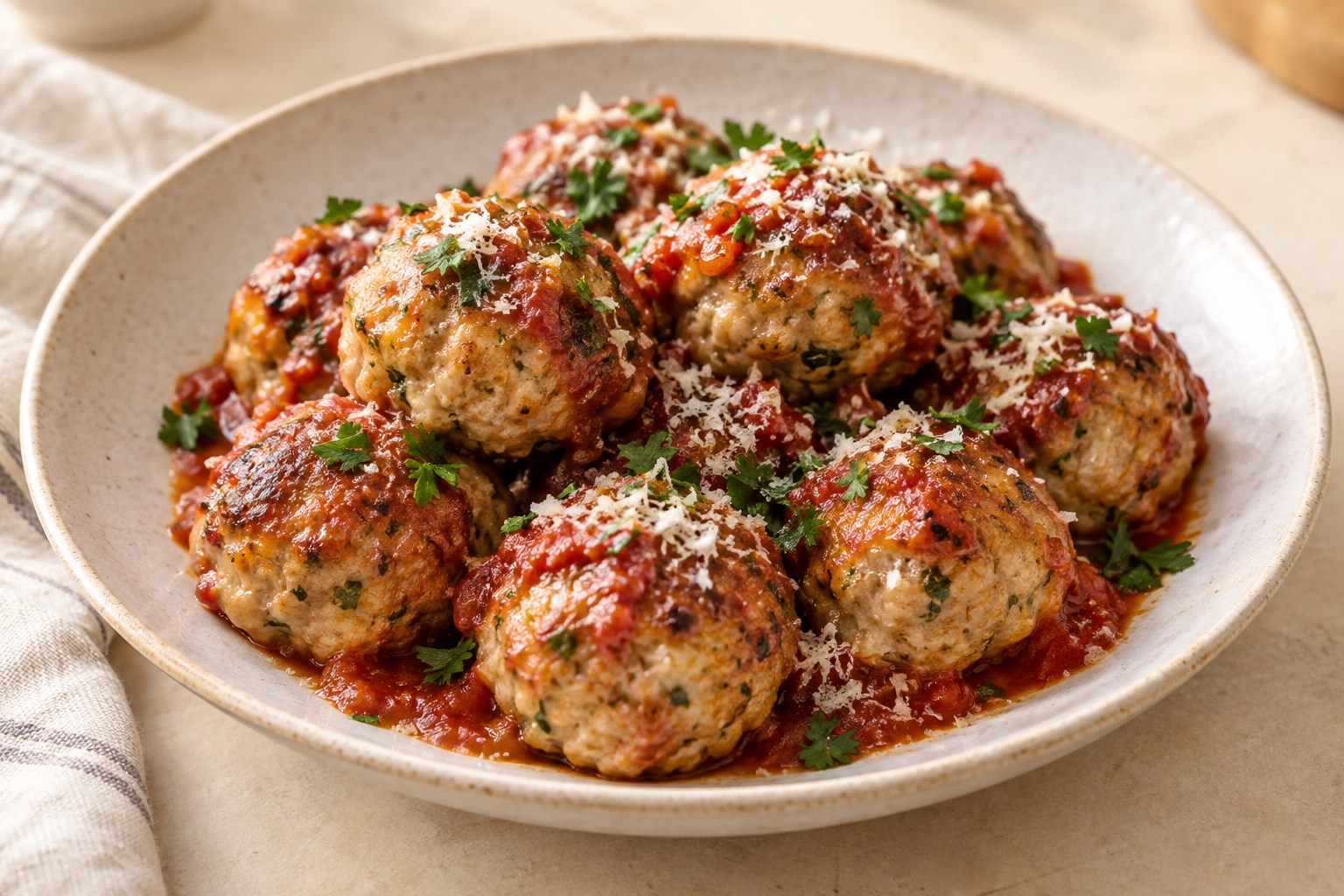
Cottage cheese adds moisture to lean turkey meatballs without making the mixture heavy. Baking the meatballs keeps the method consistent and frees the stovetop for sauce or side dishes.
These meatballs are baked rather than fried. Cottage cheese contributes moisture to lean turkey, breadcrumbs absorb free liquid, and egg and Parmesan help the mixture hold together. Portioning the meatballs evenly on a lined sheet pan gives them the same cooking time and avoids repeated batches at the stove.
With 20 minutes of preparation and about 25 minutes of cooking, Turkey Cottage Cheese Meatballs is most useful when the ingredients are organized before heat is applied. The recipe yields 6 portions and focuses on a repeatable home-kitchen workflow rather than unsupported claims about testing, nutrition, or universal preferences.
Why You’ll Love This Recipe
The mixture is easy to portion, the meatballs cook together on one sheet pan, and leftovers can be used in bowls, sandwiches, or pasta.
- A method with a clear sequence. The 20-minute Turkey Cottage Cheese Meatballs preparation and 25-minute cooking stages have separate jobs, so ingredients can be measured and cut before heat is applied. That organization makes the timing realistic without pretending that preparation happens instantly.
- Texture is built deliberately. These meatballs are baked rather than fried. The recipe does not rely on a heavy finishing sauce to hide overcooked meat, soggy vegetables, or poorly handled grains.
- The Turkey Cottage Cheese Meatballs ingredient list has a purpose. The main seasonings, vegetables, and finishing ingredients support the central cooking method instead of appearing only for decoration. Each important ingredient in the measured list is used in the directions.
- Serving remains flexible. Pair the meatballs with marinara and pasta, place them in a toasted roll, or add them to a bowl of polenta and roasted vegetables. The core recipe stays the same, while practical sides and toppings let it fit a weeknight dinner, packed lunch, or planned make-ahead meal.
- Leftovers have a plan. Refrigerate cooked meatballs for up to four days and reheat to 165°F / 74°C. Separating hot, cold, crisp, or sauce-based components where necessary protects texture and makes reheating safer and more predictable.
Kitchen Tools You’ll Need
- rimmed sheet pan
- parchment paper
- large mixing bowl
- measuring scoop
- instant-read thermometer
Ingredients for Turkey Cottage Cheese Meatballs
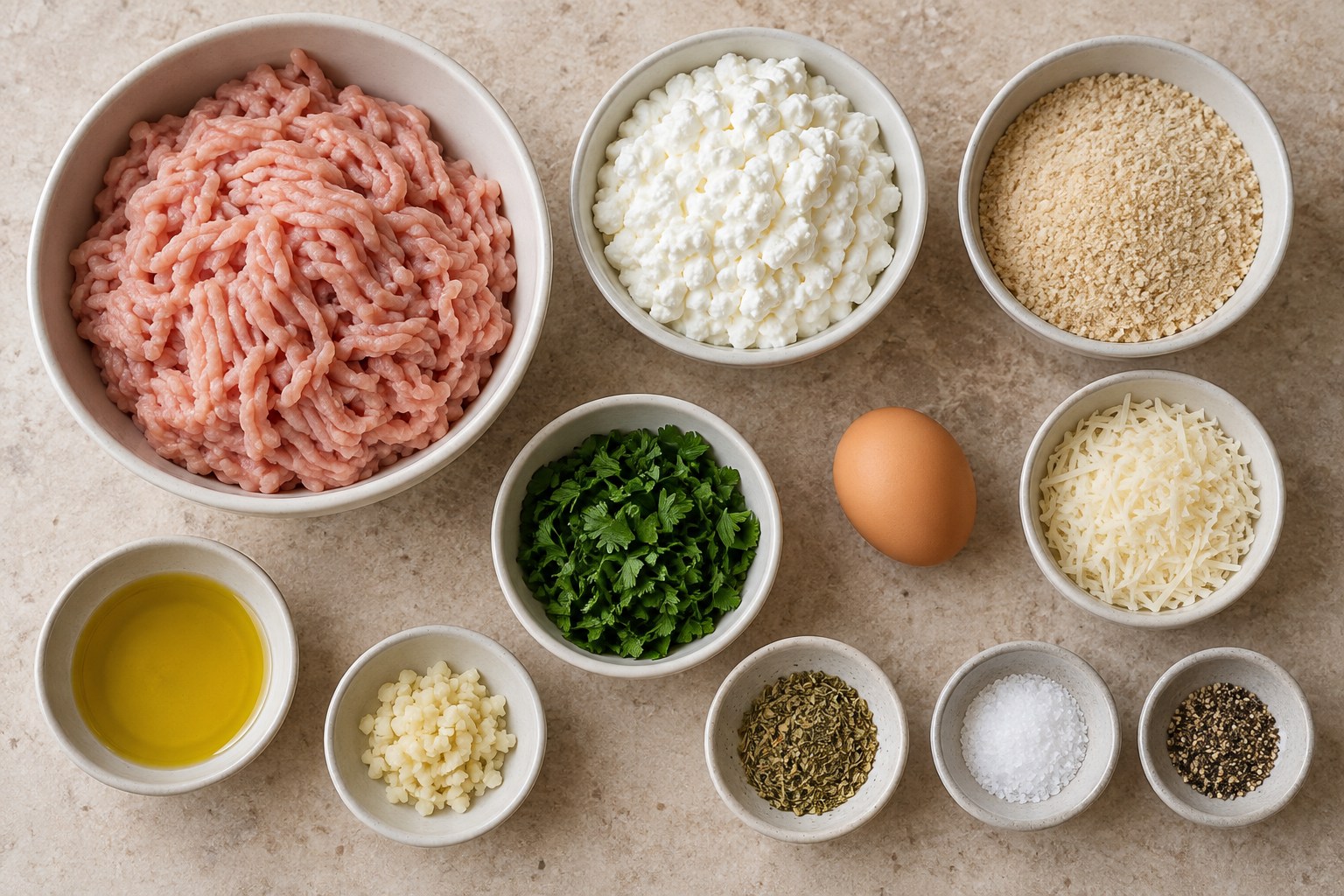
The measured Turkey Cottage Cheese Meatballs ingredient checklist appears in the Recipe Card below. This discussion explains how the principal ingredients behave, which details affect the result, and where substitutions require care rather than treating every item as interchangeable.
Lean ground turkey is mild and can become firm if mixed aggressively. Cottage cheese adds moisture and small pockets of tenderness; small-curd cheese distributes more evenly than large curds. Breadcrumbs absorb moisture released during baking, while egg supplies enough binding to keep the meatballs intact without making them dense.
Parmesan adds saltiness and savory depth, so the added salt remains measured. Garlic, parsley, and oregano provide an Italian-style flavor profile that works with marinara, sandwiches, or grain bowls. Finely mince the garlic and parsley so no single meatball receives a large raw piece.
Olive oil on the surface encourages gentle browning in the oven. Parchment keeps the soft mixture from sticking and simplifies cleanup. The mixture should feel moist but scoopable; chilling it briefly is better than adding a large amount of extra breadcrumbs, which would absorb too much moisture.
Read the complete Turkey Cottage Cheese Meatballs list before starting and measure liquids, seasonings, and dry ingredients accurately. The recipe uses 11 listed ingredients, and the directions account for each one so nothing important is left unexplained on the counter.
How to Make Turkey Cottage Cheese Meatballs
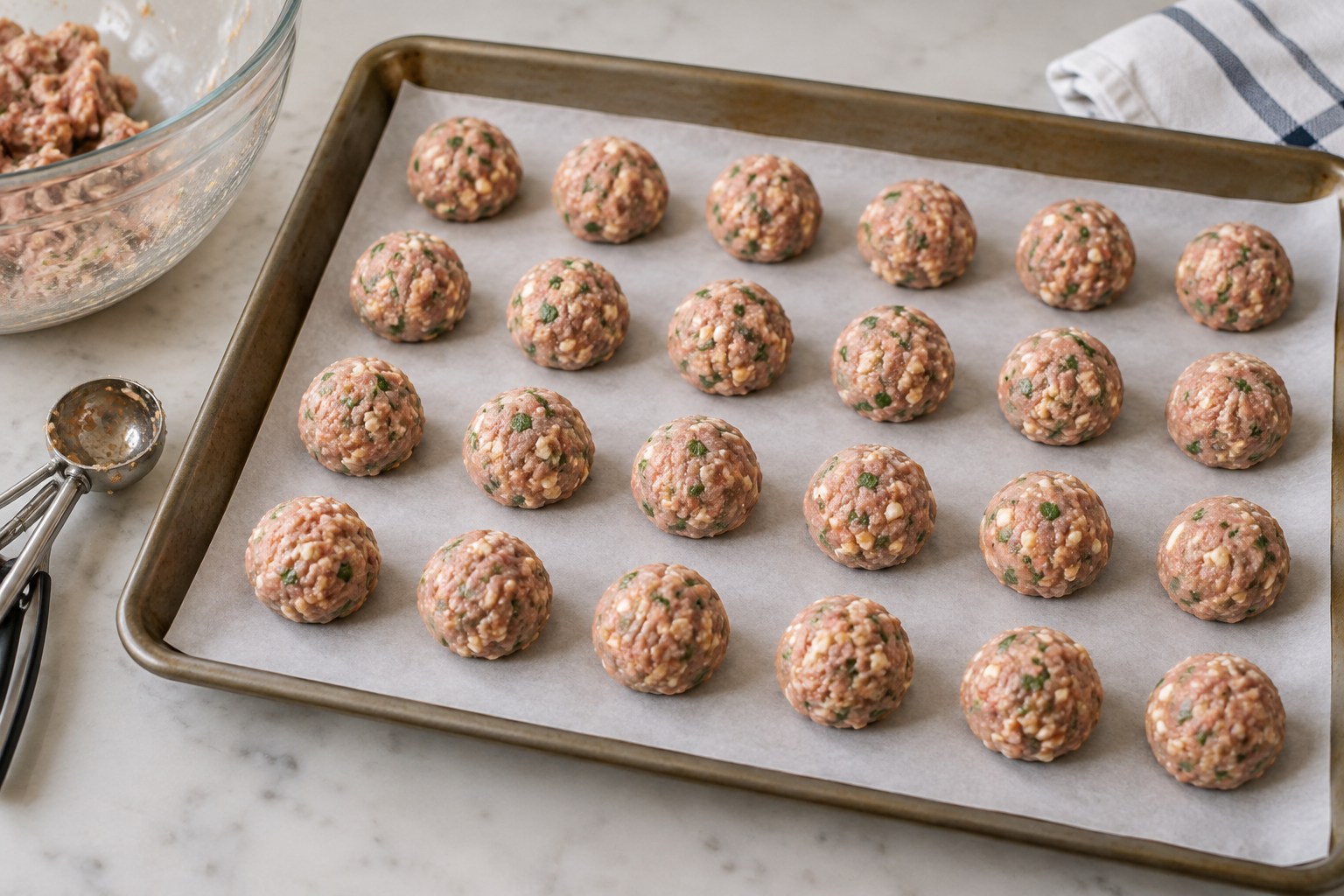
Heat the oven and line the pan before mixing because ground turkey should not sit warm on the counter. Combine the wet and dry ingredients with a light hand, portion with a scoop, and shape without compressing. Bake the full tray, rotate once if the oven browns unevenly, and verify 165°F / 74°C in a center meatball.
The numbered Turkey Cottage Cheese Meatballs directions below cover preparation, heat, cooking order, combining, finishing, and serving. Set out rimmed sheet pan, parchment paper, large mixing bowl, measuring scoop, instant-read thermometer before beginning, then follow the sequence rather than jumping ahead; several finishing ingredients are intentionally held back to protect texture or flavor.
Step 1
Heat the oven to 400°F and line a rimmed sheet pan with parchment paper. Complete this preparation before the pan or oven work moves forward. Keeping the pieces and measured ingredients organized is especially important for Turkey Cottage Cheese Meatballs, because its 25-minute cooking window leaves little time to correct uneven cutting or a missing component later.
Step 2
In a large bowl, combine turkey, cottage cheese, breadcrumbs, Parmesan, egg, garlic, parsley, oregano, salt, and pepper. Use the stated heat as a guide and adjust only enough to maintain steady cooking. Look for the described surface and texture changes rather than forcing color with excessive heat, and keep raw-poultry utensils away from ingredients that will be served without further cooking.
Step 3
Mix gently until the ingredients are evenly distributed without compacting the meat. Treat the listed time as a range rather than the only doneness test. Watch moisture, browning, and tenderness, and when poultry is involved confirm that the thickest piece reaches 165°F / 74°C before it is returned to the rest of the dish or served.
Step 4
Portion into 24 meatballs and arrange them on the sheet pan. Lightly brush or drizzle with olive oil. Combine the components gently so the texture developed in the earlier steps is not lost. Scrape flavorful browned bits into the dish when appropriate, but reduce the heat if garlic, dairy, cheese, honey, or a thickened sauce could scorch or separate.
Step 5
Bake for 20 to 25 minutes, rotating the pan once, until the centers reach 165°F / 74°C. Rest for 5 minutes before serving. Taste the finished dish before adding more salt, then make only small adjustments to acidity, seasoning, or moisture. Allow any stated resting time, divide into 6 portions, and add fresh garnishes or cold components only at the point described in the recipe.
Serving Suggestions
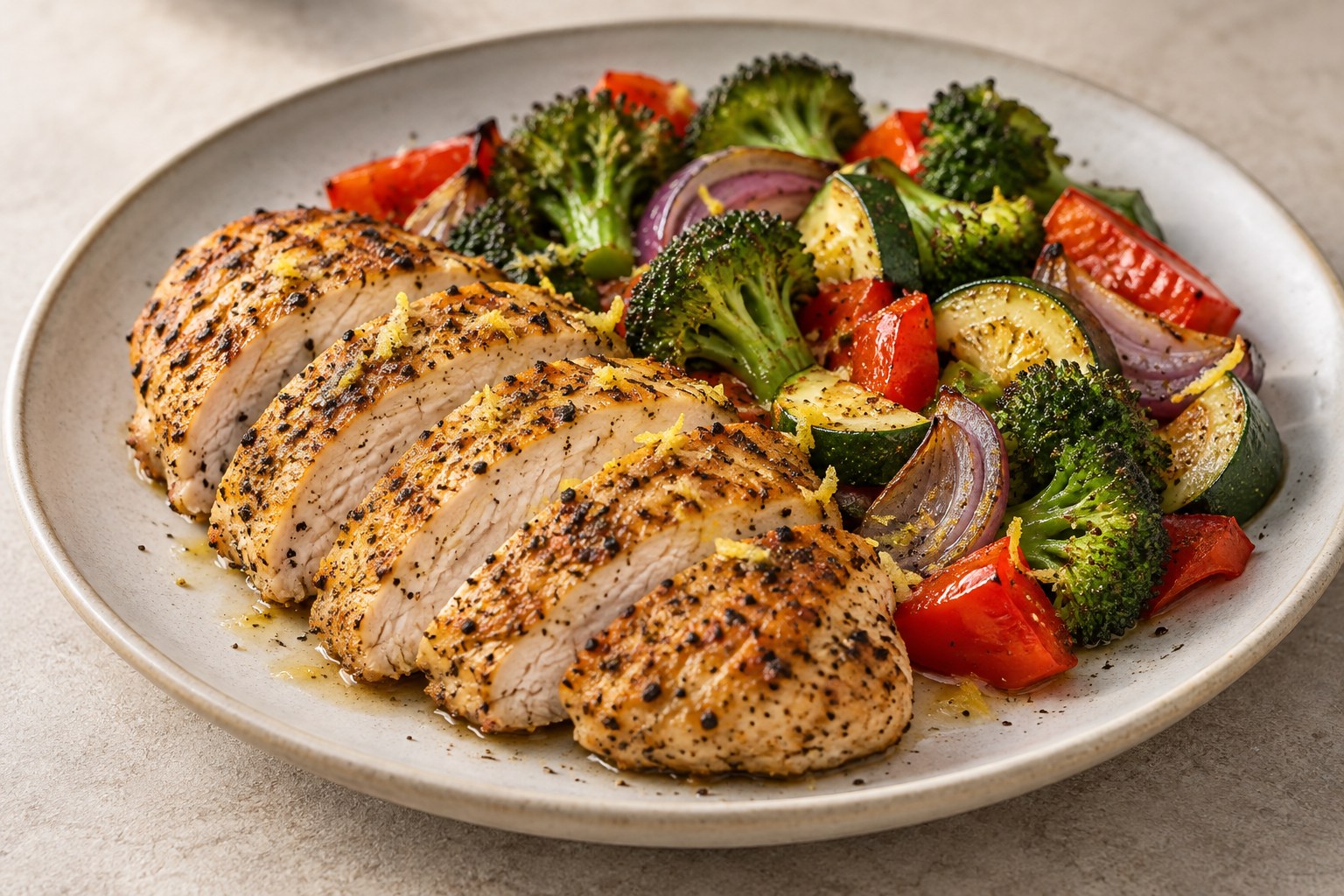
Serve with marinara and pasta, tuck into a toasted roll, or add to a grain bowl with roasted vegetables.
Pair the meatballs with marinara and pasta, place them in a toasted roll, or add them to a bowl of polenta and roasted vegetables. For a lighter plate, serve with a tomato-cucumber salad. Warm sauce separately and spoon it over just before serving so the baked exterior does not become soft too soon.
Plan for 6 servings of Turkey Cottage Cheese Meatballs and portion the main components evenly before adding garnishes. If the dish includes both hot and cold elements, bring them together only at the table so reheating does not damage fresh textures.
Pro Tips for Best Results
- Use a scoop for evenly sized meatballs. Do it during the preparation window rather than after cooking has started; this protects the short active timing and makes the result more even.
- Mix only until combined. This small control helps the cookware stay at the intended temperature and prevents moisture from replacing browning or roasting.
- Check the center temperature of a meatball from the middle of the pan. The cue is more reliable than following the clock alone, because ingredient size, pan material, and burner or oven behavior can change the exact timing.
- Lightly wet or oil your hands before the final shaping pass so the soft turkey mixture does not stick. Use this approach when cooking now and when portioning leftovers, since the same texture issue often becomes more noticeable after refrigeration.
- Test-bake one small meatball when adjusting seasoning, then correct the remaining mixture before portioning the full tray. Make the adjustment gradually and taste again. It is easier to add seasoning, liquid, acidity, or heat than to correct an excessive amount after everything is combined.
Common Mistakes to Avoid
- Overmixing can make turkey meatballs firm. Prevent it by finishing the preparation first and giving the ingredients enough space to cook as the method describes.
- Crowding the pan prevents even browning. The problem changes both flavor and texture, so lower or raise the heat based on what is happening in the pan rather than leaving the setting untouched.
- Using large-curd cottage cheese without stirring can make shaping uneven. Use the visual and textural cues in the directions, and verify poultry with an instant-read thermometer instead of relying on exterior color.
- Adding extra breadcrumbs immediately can make the baked centers dry; chill a soft mixture first and reassess. This is especially noticeable after storage, when excess moisture or overcooking becomes harder to disguise during reheating.
- Judging turkey only by exterior color is unreliable because browning can occur before the center reaches a safe temperature. Correct the dish in small steps before serving; large last-minute additions can overwhelm the balance established by the measured ingredients.
Variations & Substitutions
Use Italian-seasoned breadcrumbs, swap parsley for basil, or add a pinch of red pepper flakes. Ricotta can replace cottage cheese, though the texture will differ.
Ricotta can replace cottage cheese, although its smoother texture may require a spoonful more breadcrumbs. Italian-seasoned breadcrumbs can be used, but reduce other dried herbs and check the salt. Ground chicken also works and must reach 165°F / 74°C. Basil can replace parsley, and a small pinch of red pepper flakes adds controlled heat.
Any Turkey Cottage Cheese Meatballs substitution should preserve the original balance of moisture, volume, and cooking time. When changing the protein, use a safe temperature appropriate to that ingredient; chicken and turkey in these drafts must reach 165°F / 74°C.
Storage & Reheating
Refrigerate cooked meatballs for up to 4 days. Freeze fully cooled meatballs on a tray, transfer to a freezer container, and use within 2 months. Reheat to 165°F / 74°C.
Refrigerate cooked meatballs for up to four days and reheat to 165°F / 74°C. For freezing, cool them fully, freeze in a single layer, then transfer to an airtight container for up to two months. Thaw overnight or reheat gently from frozen in simmering sauce, checking the center temperature before serving.
Label stored Turkey Cottage Cheese Meatballs portions with the preparation date, cool cooked food promptly, and reheat only what will be eaten. Discard food that has remained at room temperature for more than two hours, and avoid repeated cycles of warming and cooling.
Frequently Asked Questions
Can I make the mixture ahead?
Yes. Cover and refrigerate it for up to 24 hours before shaping and baking. Keep the original cooking order and portion size in mind when making the change. If poultry is used, the final safe internal temperature remains 165°F / 74°C even when the shape, cut, or surrounding ingredients are adjusted.
Can I freeze the meatballs raw?
For this draft, freezing after baking and cooling is the simpler option. For Turkey Cottage Cheese Meatballs, moisture and temperature are closely connected, so use a covered container where appropriate and avoid leaving cooked food at room temperature for longer than two hours.
Why are my meatballs firm?
The mixture may have been overworked or packed too tightly. For Turkey Cottage Cheese Meatballs, make one substitution at a time and preserve the recipe's approximate volume. A larger collection of changes can alter liquid absorption, browning, and total timing enough to require a newly developed method.
Do I need to drain the cottage cheese?
Small-curd cottage cheese can go directly into the mixture; drain only if there is a noticeable pool of liquid. When correcting Turkey Cottage Cheese Meatballs, check texture before adding more liquid or extending the cooking time. Small corrections made early are safer than using very high heat at the end, which can dry poultry or scorch sauce and aromatics.
Can I blend the cottage cheese first?
Yes. Blending creates a smoother mixture with no visible curds and can make shaping easier. Keep the measured quantity the same and avoid adding extra liquid. The texture of the baked meatball may be slightly more uniform, but the binding and safe final temperature remain unchanged. This Turkey Cottage Cheese Meatballs recommendation is written for the draft's measured ingredients and cookware. Keep notes if you change the method so the result can be evaluated before the recipe is considered for production use.
Final Thoughts
These baked meatballs offer a practical way to use lean turkey while keeping the texture moist. Prepare a batch for dinner and reserve extras for another meal.
Cottage cheese is useful here because it solves the dryness that often affects lean turkey without making the mixture greasy. Gentle mixing, equal portions, and a thermometer are the important controls. Once baked, the meatballs can move easily between pasta, sandwiches, bowls, and freezer portions.
For this Turkey Cottage Cheese Meatballs test recipe, the practical takeaway is to respect the stated sequence and evaluate the finished texture before making broad changes. Serve it in the way described above, record any adjustments, and keep the draft status until the method has completed editorial and kitchen verification.
Leave a Comment
Your email address will not be published. Required fields are marked.
Preview only: comments and ratings cannot be submitted or saved yet.